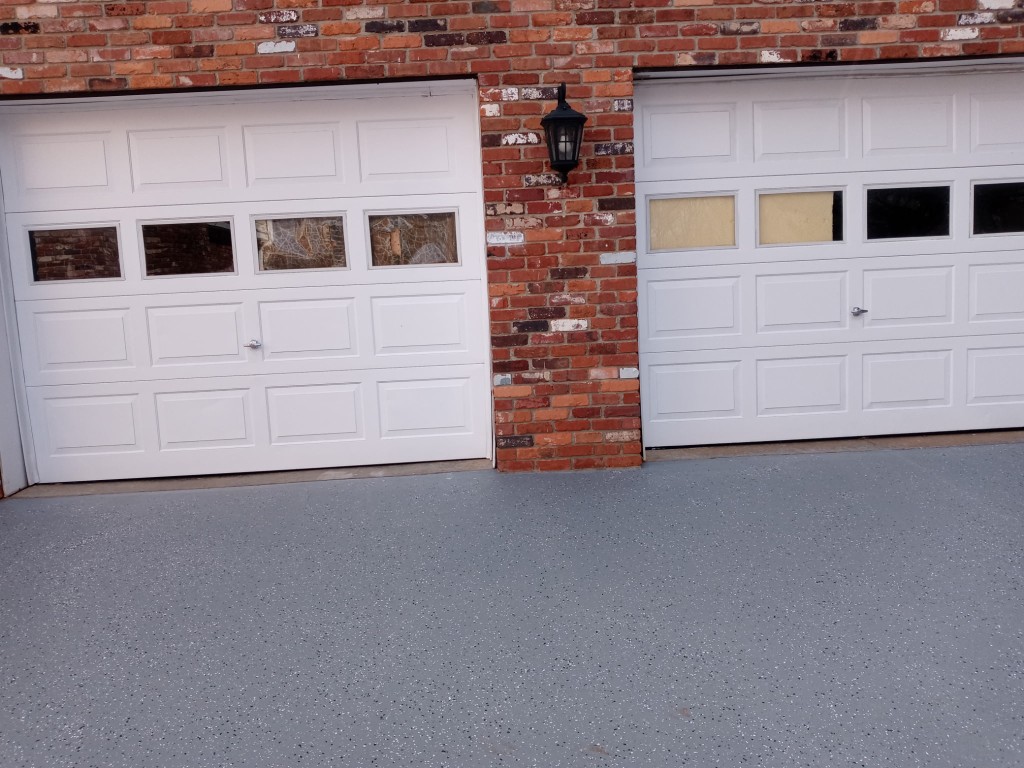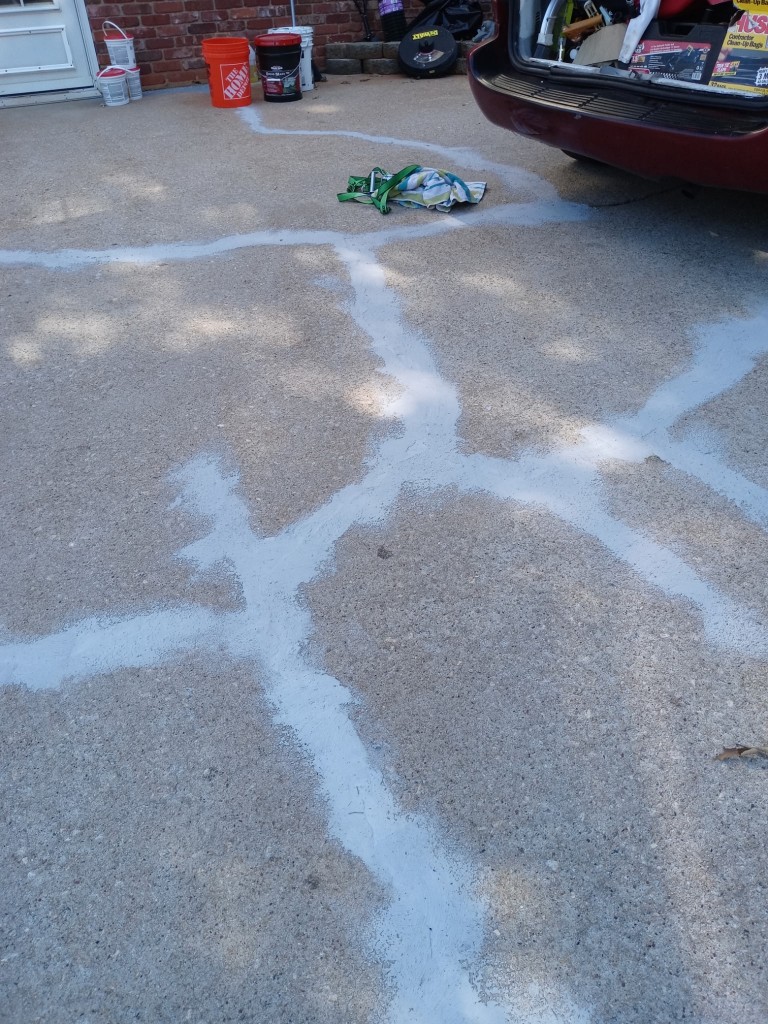
Driveways around here take a beating. Sand tracked in from the beach, oil from whatever is parked in the driveway, algae that creeps in from the edges, tire marks — it builds up. Concrete that looked fine a few years ago ends up looking like it has been there fifty years.
Pressure washing gets it out. We use hot or cold water depending on what we are dealing with — hot water cuts through oil and grease better, cold water is fine for general algae and dirt. We use a surface cleaner for flat concrete and pavers, which gives an even clean instead of leaving the streaky lines you get from a standard wand.
What we clean
- Concrete driveways and aprons
- Pavers and brick
- Sidewalks and walkways
- Pool decks
- Parking pads
Oil stains
Oil stains are their own thing. A standard pressure wash will lighten them but usually will not eliminate them completely, especially if they have been sitting for a while. We will be straight with you about what is realistic before we start. In some cases a degreaser soak helps — we will tell you what we think when we see it.
Sealing
If you want your driveway sealed after cleaning, we can do that too. Sealing is not something you have to do, but it does extend how long the clean lasts and protects the surface from new staining. We can talk through whether it makes sense for your specific situation.
Common questions
How long does it take?
A standard single-car driveway takes about an hour. Larger driveways, long sidewalks, or areas with heavy staining take longer. We will give you a time estimate when we look at the job.
Can you clean pavers without damaging them?
Yes. We adjust the pressure based on the surface. Pavers need less pressure than poured concrete. We also avoid washing out the sand between joints.
How soon can I drive on it after washing?
Within a few hours once it dries. If we seal it, the cure time is longer — typically 24 hours before foot traffic and 48 before vehicles, depending on temperature.